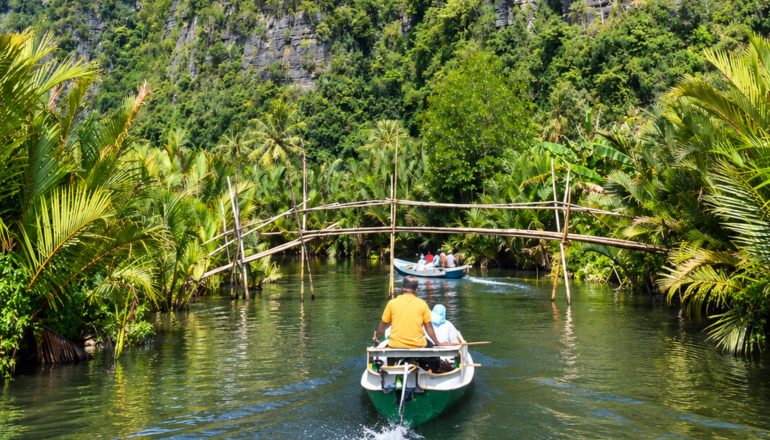
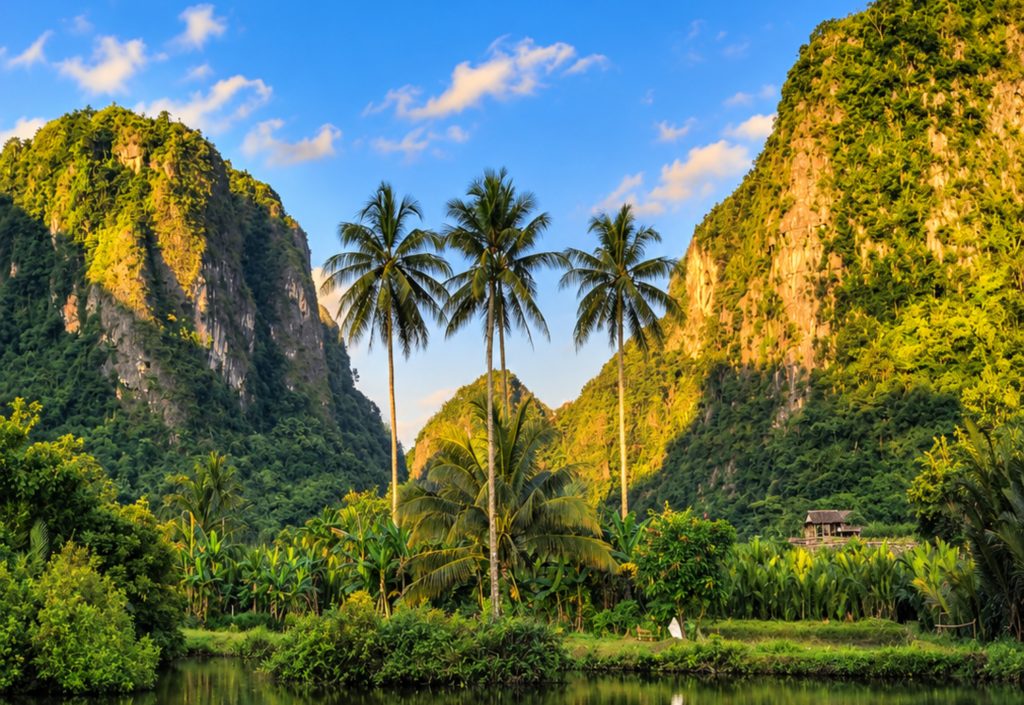
Rammang-Rammang, located in Maros Regency, South Sulawesi, Indonesia, is one of the most remarkable natural destinations in the country. Famous for its dramatic limestone karst mountains, peaceful rivers, traditional villages, rice fields, and ancient caves, this extraordinary landscape offers visitors an unforgettable experience away from crowded tourist destinations.
However, choosing the best time to visit Rammang-Rammang can make a significant difference to your trip. Weather conditions, river levels, sunlight, walking trails, and seasonal landscapes can all influence your experience.
Whether you are planning a photography trip, a cultural adventure, a family holiday, or a private tour from Makassar, understanding the seasons and the best time of day to explore Rammang-Rammang will help you enjoy this destination to the fullest.
Understanding the Climate in Rammang-Rammang
Rammang-Rammang has a tropical climate, with warm temperatures throughout the year. Like much of South Sulawesi, the area generally experiences two main seasons: the rainy season and the drier season.
Temperatures are typically warm during the day, and humidity can be high, particularly during the rainy months. Visitors should prepare for changing weather conditions because tropical rain can arrive suddenly, even when the morning begins with clear skies.
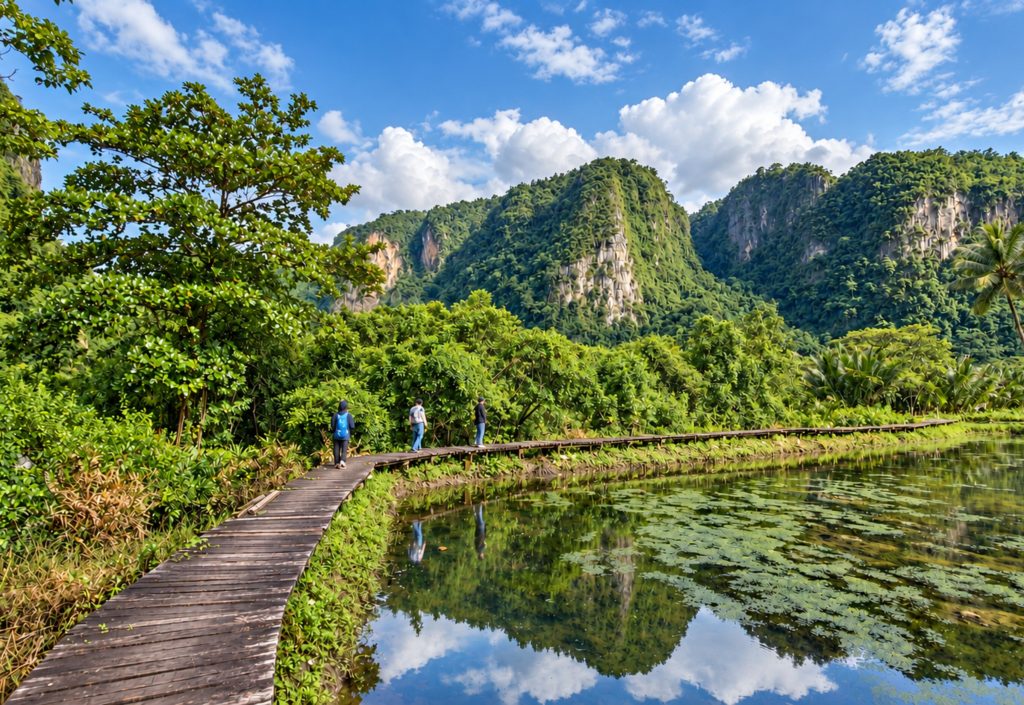
The landscape looks different throughout the year. During wetter periods, vegetation becomes greener, rice fields may look especially vibrant, and the surrounding karst mountains can appear mysterious beneath low clouds or morning mist. In drier months, visitors may enjoy more opportunities for outdoor exploration, although the landscape can become less green in some areas.
There is no single perfect month for everyone. The best time depends on whether you prioritize comfortable walking conditions, green scenery, photography, or a flexible sightseeing itinerary.
Best Months to Visit Rammang-Rammang
1. April to June: A Great Time for Nature and Photography
April to June can be an excellent period to explore Rammang-Rammang. Rainfall often decreases after the wetter months, although the timing and intensity of the transition vary from year to year.
The landscape may remain beautifully green, particularly following the rainy season. Rice fields, tropical vegetation, and limestone formations create an attractive combination for landscape photography.
Boat trips along the Pute River offer opportunities to photograph towering karst cliffs reflected in the water. Visitors can also explore Kampung Berua, a traditional village surrounded by dramatic limestone formations and agricultural landscapes.
April and May can still experience significant rainfall, so it is advisable to check the local forecast before traveling. June may offer a useful balance between greener scenery and opportunities for outdoor activities.
This period is particularly suitable for couples, solo travelers, photographers, and international visitors who want to combine nature, culture, and light adventure.
2. July to September: Ideal for Outdoor Exploration
July to September is generally part of the drier season in the Maros area, making these months a popular choice for outdoor activities.
Visitors often appreciate the opportunity to enjoy boat rides, village walks, and sightseeing with a lower likelihood of persistent rainfall than during the wetter months. However, dry weather is never guaranteed, and occasional showers remain possible.
These months are suitable for travelers who want to explore several attractions in one day, especially when combining Rammang-Rammang with Leang-Leang Archaeological Park or Bantimurung.
The dry season can also make trip planning more convenient for visitors with limited time in Makassar. A private day tour allows travelers to leave the city in the morning, explore the karst landscape, and return in the afternoon or evening.
One consideration is that some rice fields and surrounding vegetation may look less vibrant as the dry season progresses. Temperatures can also feel hot during midday, particularly on walking routes with limited shade.
For the most comfortable experience, schedule outdoor activities in the morning and early afternoon rather than spending the hottest hours walking in exposed areas.
3. October to November: A Transition Season with Beautiful Scenery
October and November are transition months when rainfall may gradually increase, although conditions differ from one year to another.
The first significant rains can refresh the landscape, bringing greener vegetation and creating attractive contrasts between the limestone mountains and surrounding fields.
This period can be rewarding for travelers who prefer a quieter atmosphere and want to photograph the natural scenery without focusing exclusively on the traditional dry season.
However, rainfall may become less predictable. Travelers should remain flexible and allow extra time for their itinerary, particularly if they plan to explore caves or take longer walks.
A morning visit is often a sensible choice because it provides time to enjoy the river and village before afternoon weather changes. If heavy rain is forecast, follow local advice and avoid exposed or potentially slippery trails.
4. December to March: The Rainy Season
December to March generally falls within the wetter part of the year in South Sulawesi. Rainfall can be heavier, humidity remains high, and cloudy skies are more common.
Nevertheless, the rainy season does not automatically mean that Rammang-Rammang is unsuitable for visitors. There may still be clear mornings, beautiful light, and periods of sunshine between showers.
The landscape can be particularly lush, and mist around the karst mountains can create atmospheric photographs. Travelers who enjoy green scenery and changing weather may find this period rewarding.
The main consideration is safety and flexibility. Heavy rain can affect river conditions, walking paths, and access to some outdoor attractions. Boat trips may need to be delayed or canceled if local operators determine that conditions are unsafe.
Visitors planning a rainy-season trip should bring a lightweight rain jacket, waterproof bags for cameras and phones, and footwear with good grip. Avoid attempting steep or slippery cave routes during unsafe conditions.
Before departure, confirm that your intended activities are operating and be prepared to adjust the itinerary if necessary.
What Is the Best Time of Day to Visit Rammang-Rammang?
Choosing the right time of day can be just as important as selecting the right month.
Early Morning: Best for Comfortable Exploration
For most visitors, arriving in Rammang-Rammang between 7:00 AM and 9:00 AM is an excellent choice.
The temperature is generally more comfortable than at midday, the light can be softer, and the atmosphere is often peaceful. Morning conditions are particularly appealing for photography, especially when the limestone mountains are reflected in the river.
An early start also gives visitors enough time to enjoy a private boat trip, walk through Kampung Berua, discover local landscapes, and explore other attractions without rushing.
If you are traveling from Makassar, leaving the city early helps you make better use of the day. The journey typically takes around one to two hours, depending on your starting point, traffic, and road conditions.
Midday: Best for a Relaxed Lunch and Village Visit
Late morning and midday are suitable for enjoying local food, relaxing at a café, or spending time in the village.
However, temperatures can become hot, especially during the drier months. Visitors should drink sufficient water, wear a hat, apply sunscreen, and take breaks in shaded areas.
If your itinerary includes walking, consider completing the more physically demanding sections earlier in the day.
Afternoon: Beautiful Light and a Relaxed Atmosphere
Afternoon visits can offer attractive light across the limestone formations and surrounding agricultural land. The changing sunlight creates different textures and shadows on the karst cliffs.
Nevertheless, afternoon weather can be less predictable during the rainy season. Visitors should allow sufficient time to return safely and follow local advice regarding boat schedules and river conditions.
If you are planning to visit multiple locations, avoid leaving all walking activities until late afternoon.
Best Time for Photography in Rammang-Rammang
Rammang-Rammang is a rewarding destination for landscape photography throughout the year, but different conditions create different photographic opportunities.
For soft natural light, early morning is usually the best starting point. The river, limestone cliffs, traditional houses, and green fields can look particularly beautiful before the midday sun becomes intense.
During the wetter season, clouds and mist may add atmosphere to the mountains. Following rainfall, the vegetation can appear fresh and vibrant.
During the drier season, clearer skies may provide better visibility across the karst landscape. The contrast between pale limestone, blue sky, and the river can create striking images.
Photographers should consider carrying a wide-angle lens, protecting equipment against moisture, and bringing a waterproof cover during the rainy months.
Remember that weather and lighting are never completely predictable. Flexibility and patience are often more valuable than choosing a specific month.
Best Time for Families, Couples, and Solo Travelers
The ideal visiting period also depends on your travel style.
Families with children and older travelers may prefer the relatively drier months, when outdoor activities are less likely to be interrupted by persistent rain. An early start, private transportation, and a relaxed itinerary can make the experience more comfortable.
Couples can enjoy Rammang-Rammang throughout the year. The combination of a private boat ride, dramatic karst scenery, village visits, and local dining creates a memorable experience for a romantic getaway.
Solo travelers may appreciate the quieter atmosphere outside particularly busy travel periods. Visiting on a weekday can also provide a more relaxed opportunity to appreciate the scenery.
For adventurous visitors, cave exploration and longer walking routes may be possible when conditions are suitable. However, some trails can be steep, slippery, or uneven. Always consider your physical ability and follow local safety guidance.
Practical Tips Before Visiting Rammang-Rammang
Regardless of the season, a little preparation will help you enjoy your trip.
Wear lightweight clothing suitable for tropical weather and comfortable walking shoes. Bring drinking water, sunscreen, insect repellent, and a hat. A waterproof bag is useful for protecting electronic equipment during boat trips.
Check the weather forecast before leaving Makassar, particularly during the rainy season. Follow instructions from boat operators and local guides, and do not enter caves or continue walking routes when conditions are unsafe.
If you plan to visit Rammang-Rammang and Leang-Leang in one day, start early. Both destinations offer distinctive experiences, and allowing enough time for each will make your journey more enjoyable.
Travelers should also respect local communities, avoid leaving rubbish behind, and follow guidance when visiting archaeological sites and sensitive natural areas.
How to Plan a Rammang-Rammang Tour from Makassar
Rammang-Rammang is accessible from Makassar and can be visited on a day trip. A well-planned itinerary typically includes a drive from the city, a boat journey along the Pute River, time to explore Kampung Berua, and opportunities to enjoy the surrounding karst scenery.
Depending on your interests and available time, you can also combine the trip with Leang-Leang, known for its prehistoric rock art and archaeological heritage, or other attractions around Maros.
A private tour is particularly convenient for couples, families, and small groups who prefer flexible departure times, comfortable transportation, and assistance from a local guide.
Choosing an experienced local operator can also help you adapt the itinerary to changing weather conditions and select activities that suit your interests and physical ability.
Conclusion: When Should You Visit Rammang-Rammang?
The best time to visit Rammang-Rammang depends on the experience you want.
April to June can offer a pleasing combination of green scenery and improving weather. July to September is generally favorable for outdoor exploration, while October and November can provide beautiful landscapes during the transition toward the wetter season. December to March offers lush vegetation and atmospheric scenery, but requires greater flexibility because of rainfall.
For most travelers, an early morning arrival between 7:00 AM and 9:00 AM is a practical choice throughout the year.
Whenever you decide to visit, Rammang-Rammang offers an extraordinary opportunity to discover the natural beauty and cultural heritage of South Sulawesi. With suitable preparation, a flexible itinerary, and respect for local conditions, your journey through this spectacular limestone landscape can become one of the highlights of your Indonesian adventure.
Ready to explore Rammang-Rammang? Plan your private Rammang-Rammang tour from Makassar and discover the Pute River, Kampung Berua, towering limestone mountains, and the remarkable natural landscapes of South Sulawesi with local guides.
Hi, this is a comment.
To get started with moderating, editing, and deleting comments, please visit the Comments screen in the dashboard.
Commenter avatars come from Gravatar.