
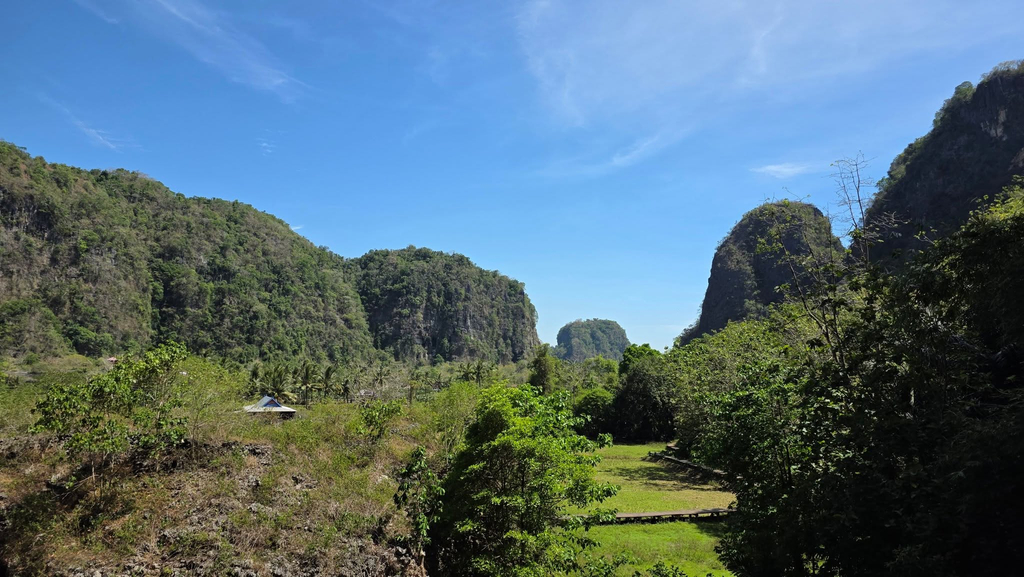
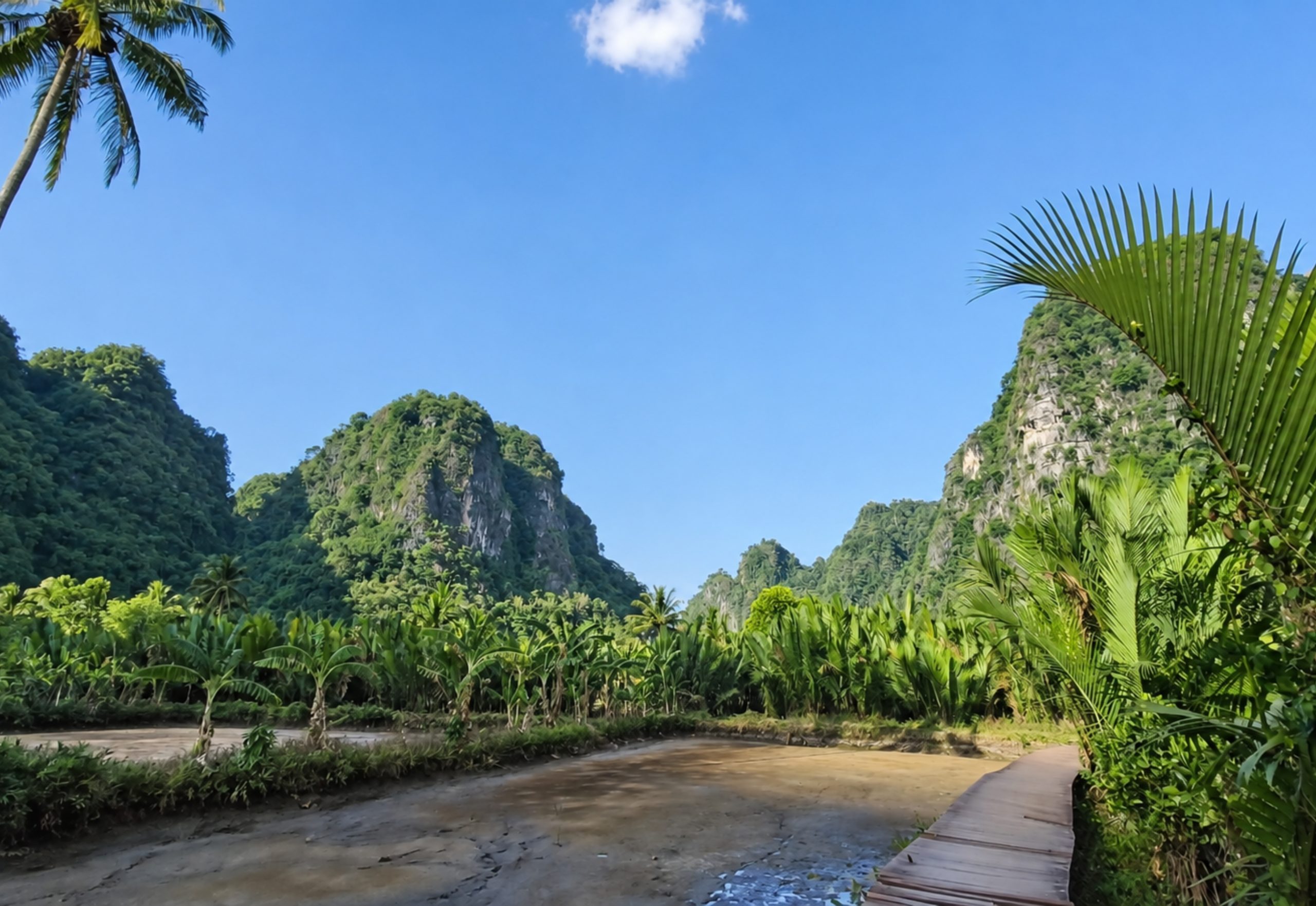
Rammang-Rammang in Maros, South Sulawesi, Indonesia, is famous for its spectacular limestone karst mountains, peaceful rivers, traditional villages, and beautiful natural scenery. Located within the Maros-Pangkep karst landscape, this destination attracts travelers interested in nature, photography, walking tours, boat trips, and local culture.
Before visiting Rammang-Rammang, however, travelers should consider more than the weather forecast. Air quality is another important factor, especially during periods when forest and land fires occur in Indonesia. Smoke from fires can travel long distances, potentially affecting areas far from the original source.
One useful way to check air quality is to monitor PM2.5, or fine particulate matter, through the official website of Indonesia’s Meteorology, Climatology, and Geophysics Agency (BMKG).
This guide explains how to read the information, recognize potential smoke-related air pollution, and make more informed decisions before joining a Rammang-Rammang tour.
What Is PM2.5 and Why Does It Matter?
PM2.5 refers to airborne particles with a diameter of 2.5 micrometers or smaller. These particles are extremely fine and can penetrate deep into the respiratory system when inhaled.
PM2.5 can originate from several sources, including vehicle exhaust, industrial emissions, burning waste, agricultural fires, and forest or land fires.
When vegetation burns, the resulting smoke can contain fine particles and other pollutants. Depending on wind direction, atmospheric conditions, and the intensity of the fires, smoke may spread beyond the immediate burning area.
For visitors to Rammang-Rammang, elevated PM2.5 concentrations may indicate deteriorating air quality. Even when the sky looks relatively clear, fine particles can still be present in the air.
People with asthma, respiratory conditions, cardiovascular disease, older adults, and children may be more vulnerable to the effects of air pollution. Healthy travelers should also take precautions when pollution levels become elevated.
It is important to remember that PM2.5 measures the concentration of fine particles, not the precise source of the pollution. A high reading alone cannot confirm that forest fire smoke has reached Rammang-Rammang.
How to Check PM2.5 Concentration in Maros Using BMKG
BMKG provides air quality information that helps the public understand particulate pollution in monitored locations across Indonesia. Travelers can use the Maros page to review the available PM2.5 measurements.
Follow these steps before leaving Makassar for Rammang-Rammang.
Step 1: Open the Official BMKG Website
Visit the following page using your smartphone, tablet, or computer: https://www.bmkg.go.id/kualitas-udara/pm25/pm25_mrs
This page presents PM2.5 air quality information for Maros. Because Rammang-Rammang is located in Maros Regency, the information can provide useful regional context for visitors planning their trip.
Step 2: Check the Latest Measurement
Look for the latest reported PM2.5 concentration and its corresponding observation time.
The measurement is expressed in micrograms per cubic meter, written as µg/m³. This unit describes the mass of fine particulate matter in a volume of air.
For example, a reading of 20 µg/m³ means that the measured concentration is 20 micrograms of PM2.5 per cubic meter of air.
Always check the timestamp because air quality can change throughout the day. Avoid relying on an old measurement when making decisions about an upcoming tour.
Step 3: Understand the Air Quality Category
The BMKG page provides a category alongside the PM2.5 concentration. The categories help visitors interpret whether the measured conditions are relatively clean or potentially unhealthy.
The following ranges provide a practical reference for interpreting PM2.5 concentrations under the Indonesian classification displayed by BMKG:
- Good: 0–15.5 µg/m³
- Moderate: 15.6–55.4 µg/m³
- Unhealthy: 55.5–150.4 µg/m³
- Very Unhealthy: 150.5–250.4 µg/m³
- Hazardous: Above 250.4 µg/m³
Use the category shown on the live BMKG page as the primary reference, since official displays and applicable thresholds should be checked directly.
When concentrations enter the unhealthy categories, travelers should pay closer attention to health guidance and consider reducing outdoor exposure. Very unhealthy or hazardous conditions warrant particularly strong precautions.
Step 4: Review the Historical Graph
The BMKG page also provides a historical PM2.5 graph. Reviewing recent measurements can help you understand whether pollution levels are increasing, decreasing, or fluctuating.
A single low reading does not guarantee that air quality will remain good throughout the day. Similarly, a temporary increase does not automatically establish that forest fire smoke is responsible.
Check the available recent history before your departure and again when necessary during your trip.
How to Identify Possible Forest Fire Smoke in Rammang-Rammang
PM2.5 monitoring is useful, but identifying the likely source of pollution requires additional information.
Travelers may notice several possible signs of smoke pollution:
- Hazy skies that reduce the visibility of distant limestone mountains.
- A persistent burning smell in the surrounding area.
- Irritation of the eyes, nose, or throat.
- Coughing, unusual breathing discomfort, or worsening asthma symptoms.
- A rise in PM2.5 measurements compared with previous readings.
These observations can indicate an air quality problem, but they are not definitive proof of forest fire smoke. Humidity, mist, dust, local burning, and other pollution sources can also affect visibility or air quality.
For a more complete assessment, check BMKG’s broader air quality information and its forecast services for smoke dispersion from forest and land fires.
The official Indonesian climate information portal provides information about extreme air quality warnings, PM2.5 monitoring, smoke dispersion forecasts, and satellite hotspot monitoring:
https://iklim.bmkg.go.id/id/kualitas-udara-indonesia
By comparing these sources, visitors can better understand whether elevated particulate concentrations coincide with a forecast of smoke moving toward South Sulawesi or the Maros area.
Remember that a satellite hotspot indicates a potential fire location, not necessarily the presence of smoke at your destination. Wind direction and atmospheric conditions influence where smoke travels.
When Should You Check Air Quality Before Your Tour?
Travelers should check PM2.5 before booking activities that involve extended outdoor exposure, particularly during periods of reported forest or land fires.
A practical monitoring schedule includes:
One day before departure: Check the latest Maros PM2.5 measurement, the recent trend, and any available smoke dispersion forecasts.
On the morning of your tour: Check the latest reading and weather conditions before leaving your hotel in Makassar.
Before outdoor activities: If the air appears unusually hazy or visitors notice a burning smell, reassess the conditions with your tour operator.
During the trip: Continue monitoring official updates if air pollution is suspected or the initial readings are elevated.
Because PM2.5 can change over time, checking once several days in advance is not enough to assess conditions on the day of travel.
Health and Safety Tips for Visitors
If PM2.5 levels are elevated, consider adjusting your itinerary to reduce unnecessary outdoor exposure.
Travelers can take the following precautions:
- Follow official health advice. Pay attention to BMKG air quality information and relevant public health recommendations.
- Reduce strenuous activity. Walking through the karst landscape can involve extended exposure to outdoor air. Consider shortening or postponing strenuous walks when pollution is elevated.
- Consider a well-fitting respirator. A properly fitted N95 or equivalent particulate respirator can help reduce inhalation of fine particles. Ordinary cloth masks generally provide less reliable protection against PM2.5.
- Protect vulnerable travelers. Children, older adults, pregnant travelers, and people with heart or lung conditions should be especially cautious and seek medical advice when appropriate.
- Do not rely on smell alone. Fine particulate pollution can be present even when smoke is not clearly visible or noticeable.
- Stop if symptoms develop. Move away from the polluted area and seek medical assistance if you experience significant breathing difficulty, chest pain, or other serious symptoms.
If conditions are very unhealthy or hazardous, postponing outdoor activities may be safer than continuing with the original itinerary. A private tour operator can help discuss alternative arrangements, subject to the booking terms and local conditions.
Does the BMKG Maros Reading Represent the Exact Air Quality in Rammang-Rammang?
Not necessarily. This is an important distinction for international travelers.
A monitoring station reports conditions at its measurement location. Rammang-Rammang may experience different concentrations because of local geography, wind, nearby activities, and atmospheric conditions.
Therefore, the BMKG Maros reading should be treated as a regional indicator rather than a guarantee of the exact air quality at every pier, walking trail, or village in Rammang-Rammang.
The same principle applies to smoke forecasts. Forecast maps estimate the possible movement or distribution of pollutants; they do not replace direct measurements at the destination.
For the best assessment, combine the latest PM2.5 reading, the historical trend, official smoke forecasts, visible conditions, and advice from local authorities or your tour operator.
Frequently Asked Questions
Is Rammang-Rammang safe to visit during forest fire season?
The answer depends on actual air quality, weather conditions, and official advice on the day of your visit. Check PM2.5 measurements and relevant warnings before traveling. If pollution reaches unhealthy levels, consider postponing strenuous outdoor activities.
Can I see forest fire smoke through the PM2.5 website?
The PM2.5 page shows particulate concentrations and air quality categories. It does not independently identify the source of every particle. Use BMKG’s smoke dispersion forecasts and other official information to investigate possible forest fire smoke.
Does clear weather mean the air is clean?
No. Visibility and air quality are different measurements. Fine particles may remain in the air even when the sky looks clear, so checking monitoring data is important.
What should I do if the PM2.5 concentration is unhealthy?
Review current official guidance, reduce outdoor exposure, and consider postponing strenuous activities. Travelers with respiratory or cardiovascular conditions should be particularly cautious.
Where can I check official air quality information?
Start with the BMKG Maros PM2.5 page:
Check PM2.5 Air Quality in Rammang-Rammang Before Your Visit: https://www.bmkg.go.id/kualitas-udara/pm25/pm25_mrs
You can also consult the BMKG Indonesian air quality information portal for broader monitoring and smoke dispersion information.
Conclusion: Make Air Quality Part of Your Travel Preparation
Rammang-Rammang offers an unforgettable opportunity to experience South Sulawesi’s limestone karst scenery, river landscapes, and traditional village life. Checking air quality before departure is a practical way to prepare for a safer and more comfortable visit.
By monitoring PM2.5 concentrations on the official BMKG Maros page, reviewing recent measurements, and checking forecasts for forest and land fire smoke, travelers can make better-informed decisions about outdoor activities.
No single measurement can guarantee conditions throughout Rammang-Rammang. However, combining official monitoring information with local observations and sensible health precautions can help visitors respond appropriately when air quality changes.
Before your next Rammang-Rammang adventure, check the latest air quality information, discuss any concerns with your tour operator, and prioritize your health while enjoying the natural beauty of Maros, South Sulawesi.

Maybe you are interested in reading the following article:
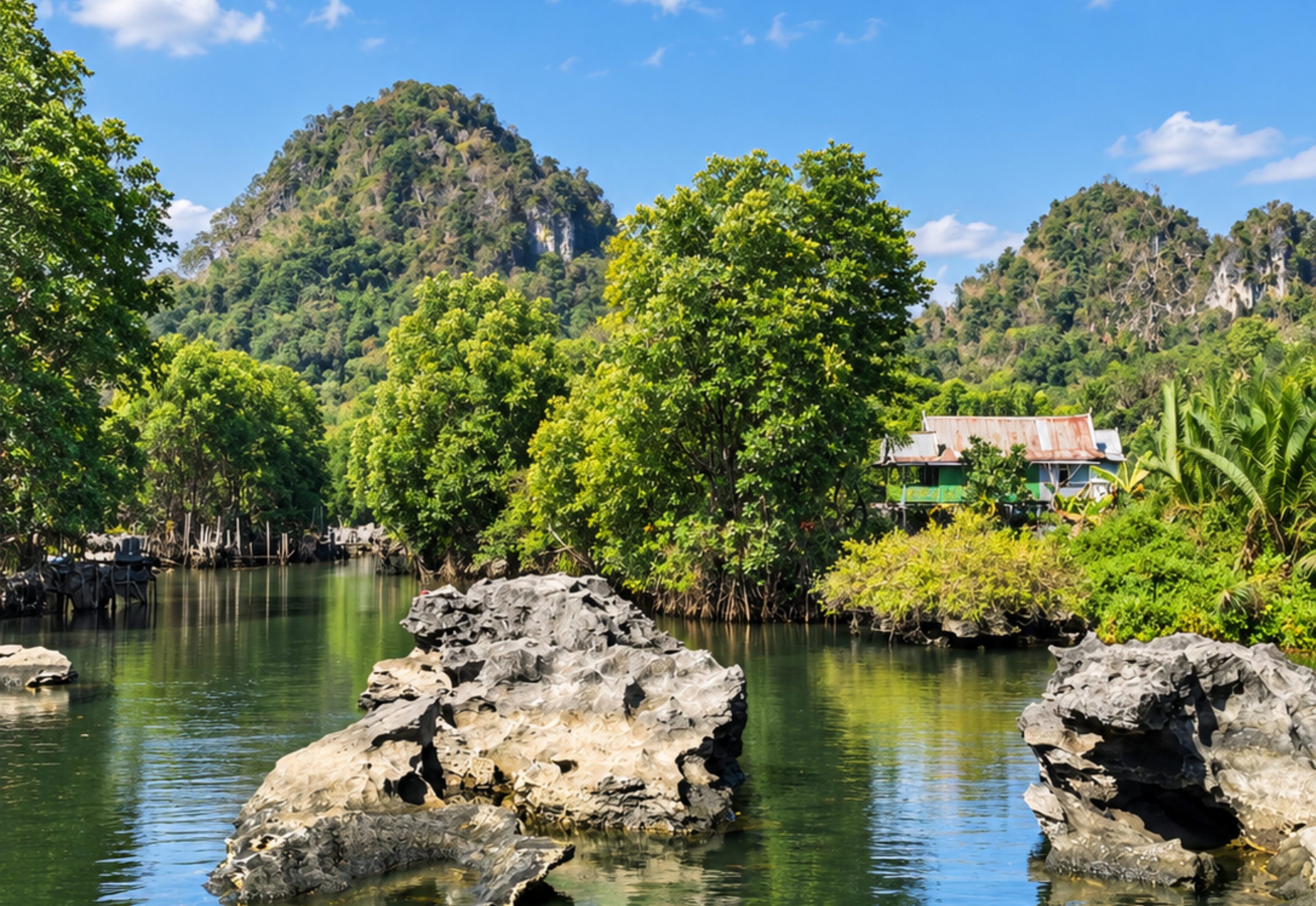
Best Short Tours Near Makassar Airport: Discover Rammang-Rammang During Your Stopover
If you have several hours between flights at Sultan Hasanuddin International Airport (UPG) in Makassar, South Sulawesi, Indonesia, you may have an opportunity to discover something beyond the airport terminal. Instead of spending your entire stopover waiting for your next flight, consider exploring the region’s natural landscapes, traditional villages,... read more

Rammang-Rammang and Toraja: A Complete Travel Itinerary from Makassar
South Sulawesi is one of Indonesia’s most rewarding destinations for travelers who want to combine spectacular natural landscapes with distinctive cultural experiences. From dramatic limestone mountains and peaceful river journeys to traditional villages and ancestral heritage, the region offers an unforgettable adventure beyond Indonesia’s most familiar... read more
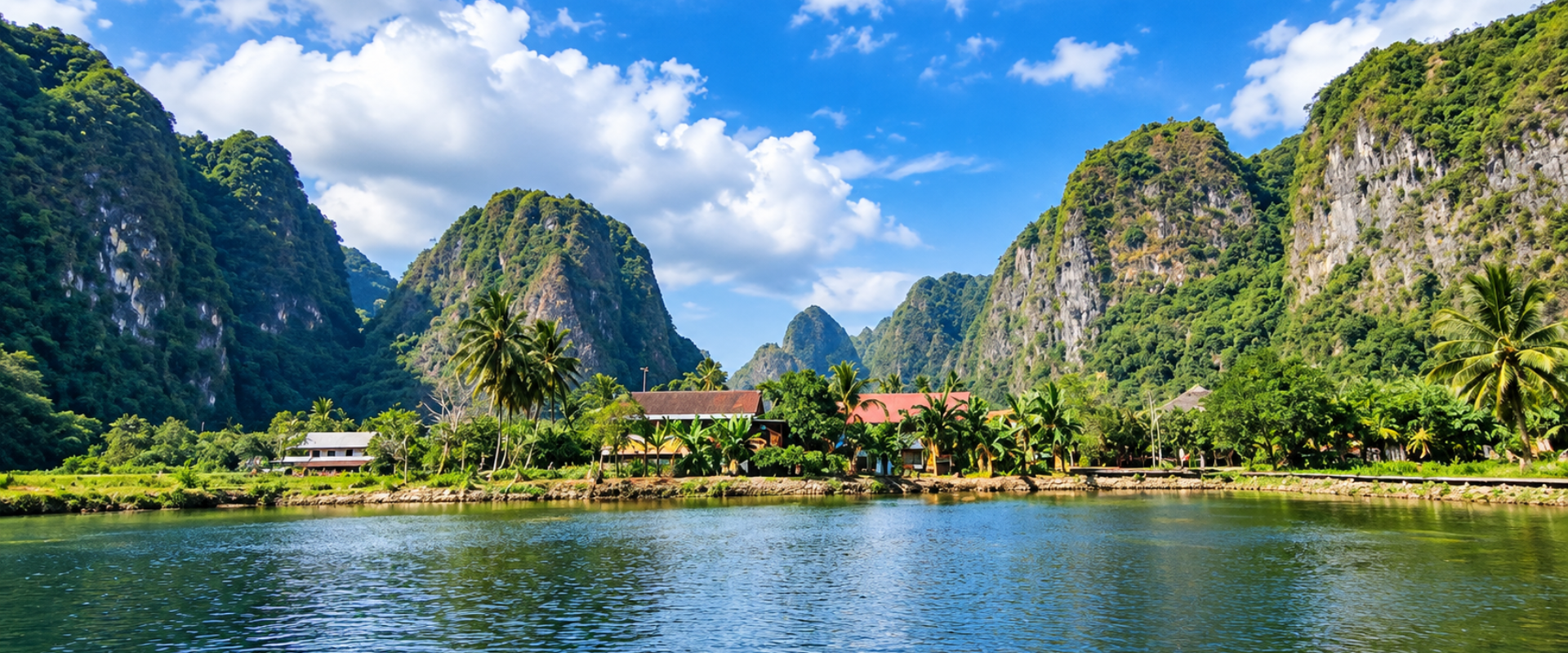
Private Rammang-Rammang Transit Tour from Makassar Airport: Itinerary, Travel Time and Tips
Are you arriving at Sultan Hasanuddin International Airport (UPG) in Makassar and looking for an unforgettable experience before your next flight? A private Rammang-Rammang transit tour is an excellent way to explore one of South Sulawesi’s most remarkable natural destinations without spending your entire layover inside the airport. Rammang-Rammang is famo... read more


Contact Us
If you have any questions, please contact us.
-
Hotline
+62881080121080 -
Whatsapp
0881080121080 -
Email
amiruddinemail@gmail.com


No comment yet